
Language is not a Spectator Skill
What happens when children are given time and space to talk
One of the earliest skills children develop, and one of the most important, is the ability to express themselves.
It is something we often assume will come naturally. But recent conversations in education are pointing to a different reality – many students are reaching later grades without strong conversational skills, struggling to articulate ideas, ask questions, or engage in meaningful conversations.
(We recently came across this piece from Education Week that explores this problem more deeply.)
A parent shared something similar with us during International Week. As a speech and language pathologist working in a public high school, she sees this challenge every day. She also shared how grateful she is that her own children are in a Montessori environment where communication is nurtured early and intentionally.
That development doesn’t happen by chance.
In our classrooms, spoken language is not treated as something that develops on its own or alongside academics – it is part of the lessons itself.
Before children are asked to write or read, they are given time and space to:
- build vocabulary through real conversations
- tell stories and share ideas
- ask questions and express curiosity
- listen, respond, and engage with their community
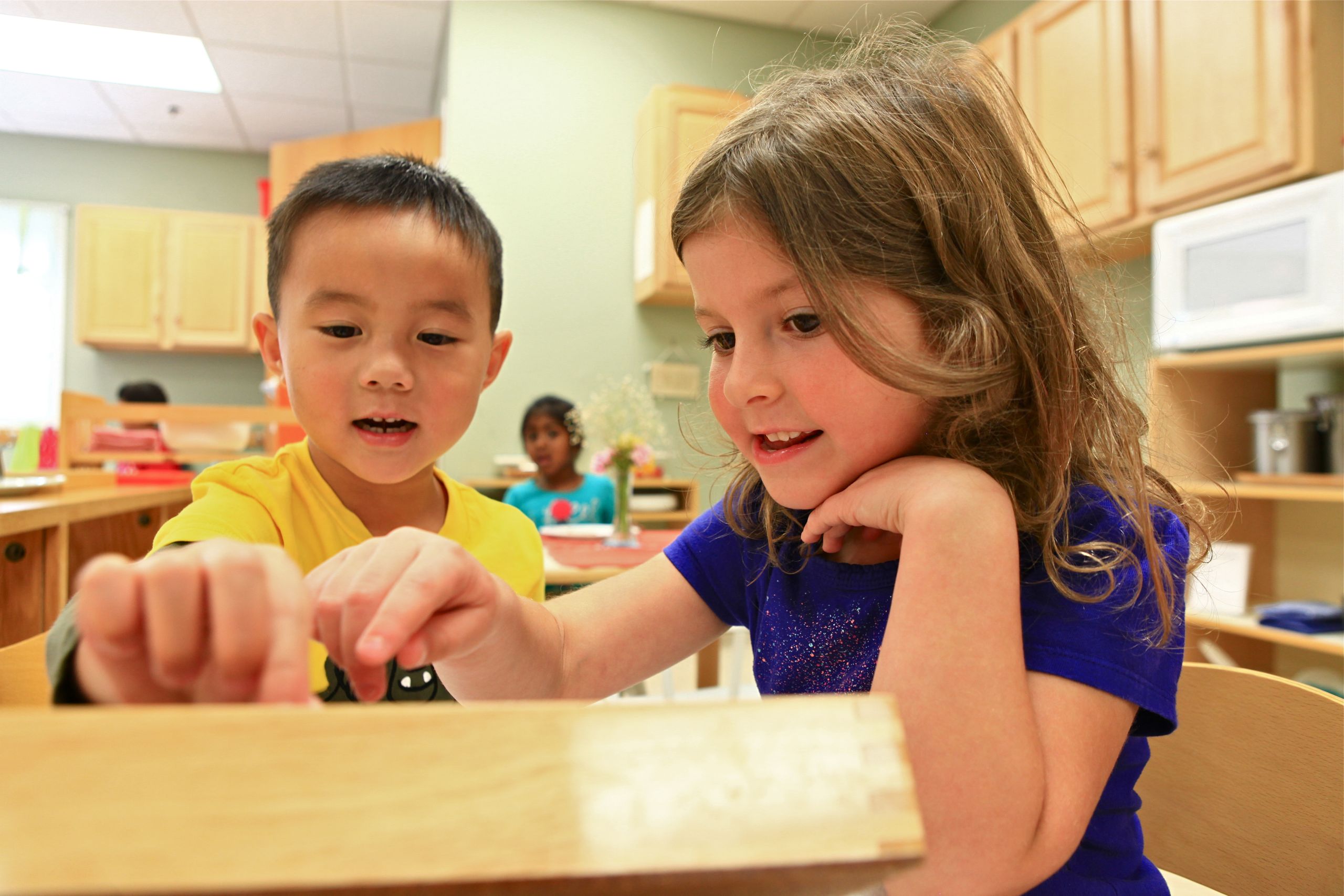
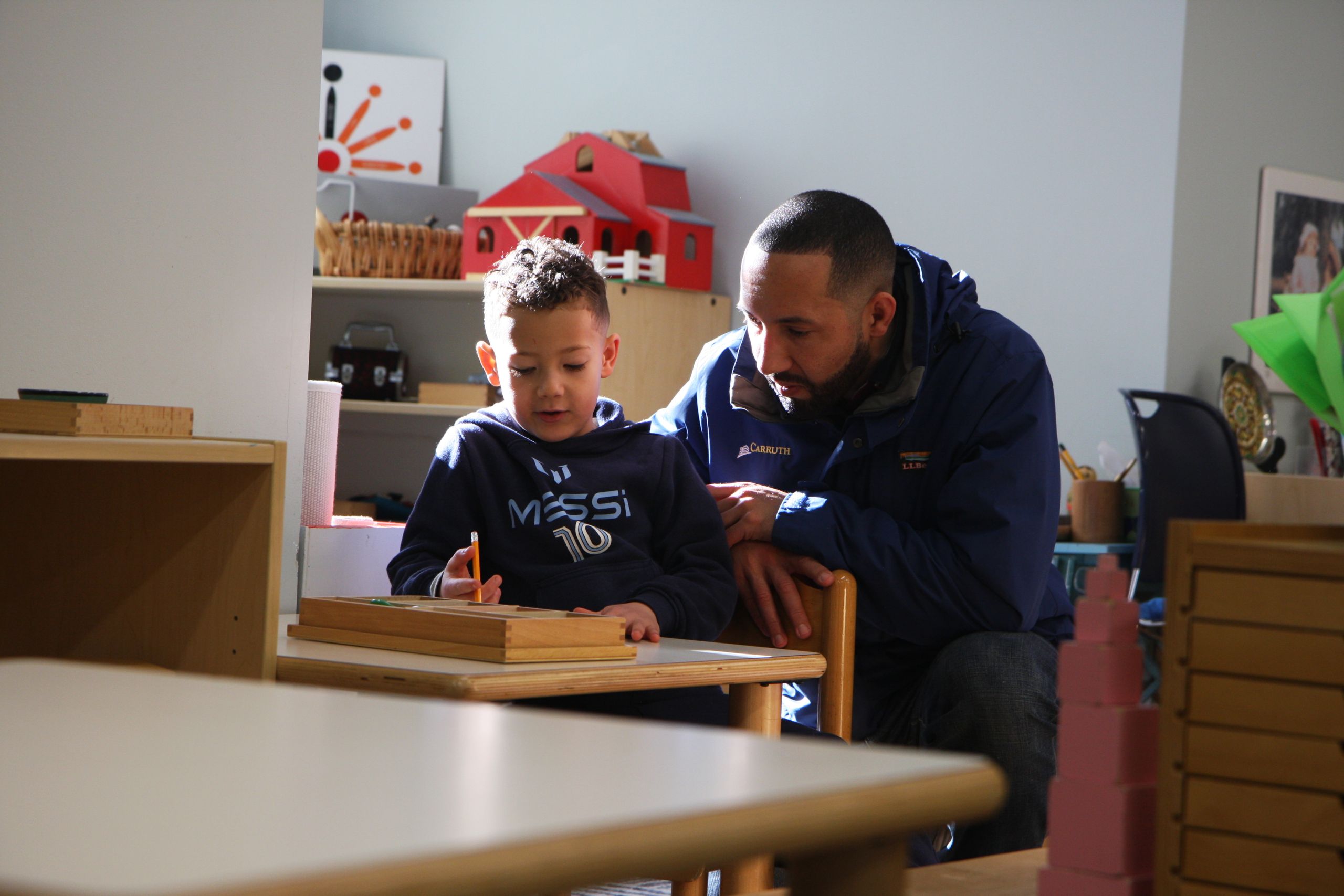
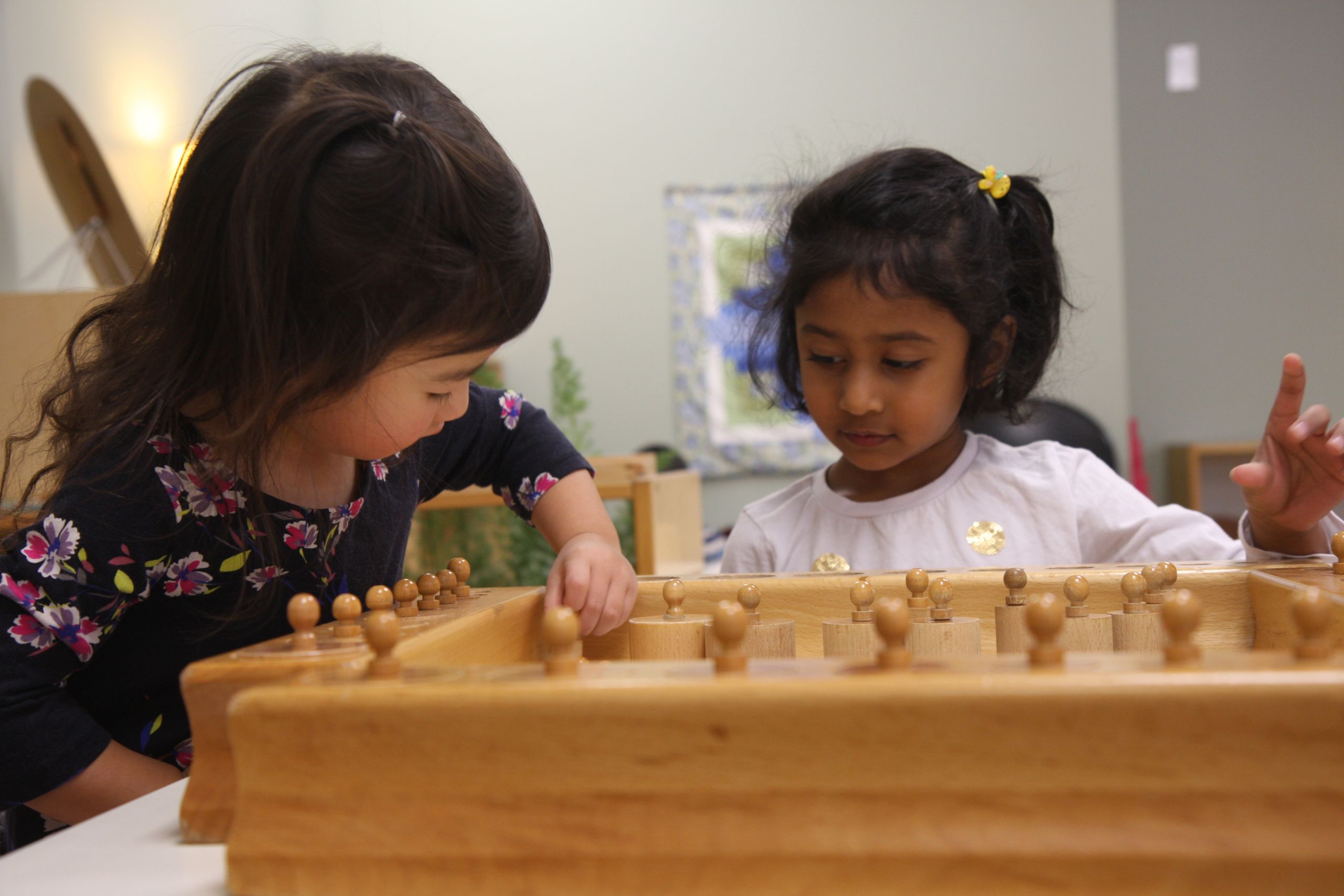
You might notice children explaining their work to a classmate, participating in natural back and forth conversations, or confidently speaking in full, thoughtful sentences. These moments are not incidental – they are part of a carefully prepared environment where communication is practiced every day.
Over time, this leads to more that just strong language skills. Our students begin to trust their voice. They learn how to contribute, how to engage with others, and how to express their thinking clearly. This becomes the foundation for everything that follows – writing, reading, collaboration, and learning across all subject areas.
It’s not always the first thing people think to look for in a classroom, but once you see it, it’s hard to miss.
We always welcome families for a visit to observe this in action – it is something best experienced in person.
Schedule a tour and see how communication and confidence develop naturally in our classrooms